One Source for Your Fleet's Wear Parts — and Why It's Worth It
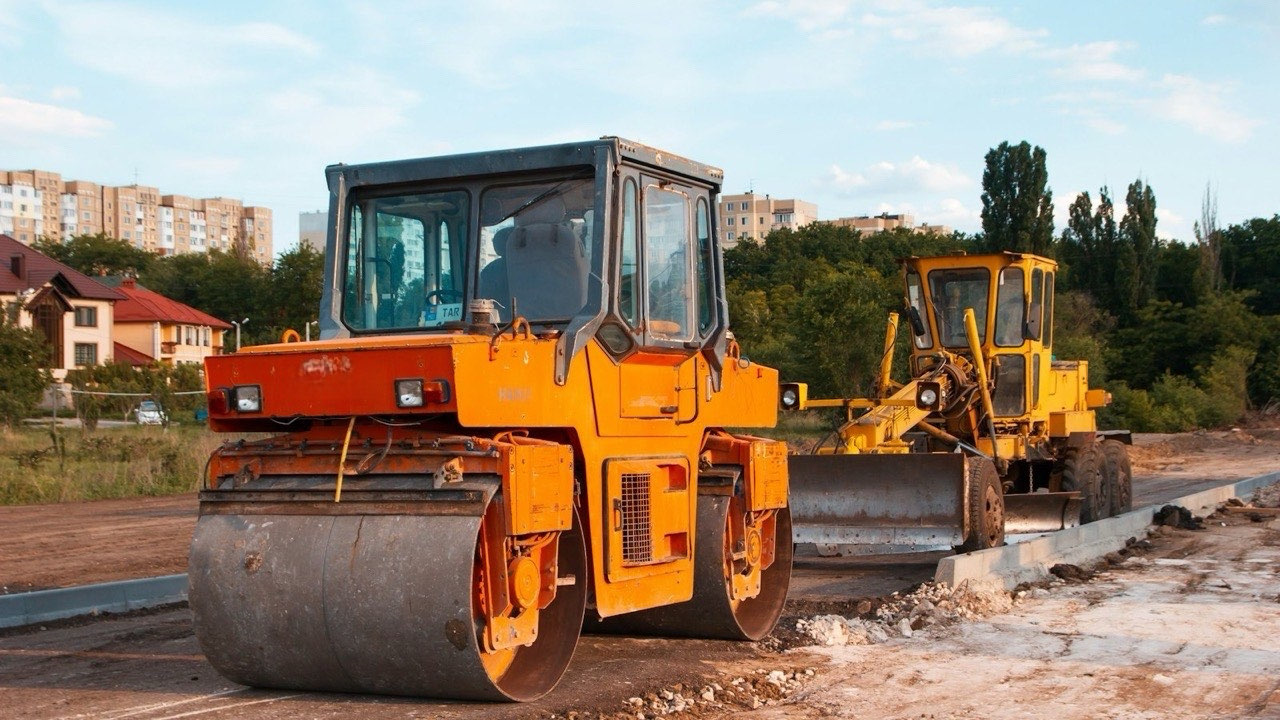
Count the cutting parts a mixed fleet actually burns through in a season. The trenchers eat teeth and chain. The forestry mulcher goes through carbide. The flail mower needs blades, the stump grinder needs picks, and the cold planer chews through milling teeth on every job. Now count the vendors you buy all of that from — for most outfits it’s a different supplier for nearly every line, each with its own account, its own lead time, and its own idea of what “good quality” means. That scatter is normal, and it’s also a quiet drag on the whole operation. There’s a case for pulling most of it under one roof, and it’s worth understanding before your next re-order.
The lines a mixed fleet actually burns through
The reason sourcing gets scattered is that these look like unrelated parts, bought by different crews for different machines:
- Trencher teeth and wear parts — the teeth, holders, chain, and sprockets on a chain trencher.
- Forestry mulcher teeth — carbide and knife tools that bolt to FAE, Fecon, or Denis Cimaf rotors.
- Flail mower blades — hammer and Y blades for verge and brush work.
- Stump grinder teeth and pockets — rotatable carbide teeth sized to the machine.
- Road milling picks — the rotating point-attack picks on a cold planer’s drum.
Five machine types, five-plus consumable lines — and underneath the different shapes, they’re all the same kind of thing: carbide-and-steel wear parts that have to fit a specific holder and be made well enough to last. That shared DNA is exactly why they don’t have to come from five different places.
Why one source beats a dozen
Consolidating the fleet’s wear parts onto one capable maker isn’t about saving a few dollars a tooth. It’s about the things that actually cost you time and headaches:
- One quality standard. When every part comes off the same maker’s metallurgy — the same steel, heat-treatment, and carbide grade — you stop rolling the dice on each vendor. A consistent baseline also makes a problem easy to spot, because you’re not comparing apples to a dozen oranges.
- One fitment relationship. A supplier who already knows your machines can cross-reference the right part across categories, which is where wrong-part orders quietly disappear. Fitment mistakes are the most avoidable downtime there is.
- One PO, one lead time, one person to call. Less purchasing admin, fewer inbound shipments to track, and a single contact when something’s off instead of five phone trees. For a busy fleet that adds up fast.
None of that shows up on a price tag, which is exactly why it gets overlooked.
What to look for in a one-stop maker
Consolidation only works if the supplier is genuinely good across the board — otherwise you’ve just centralized a compromise. A few things separate a real one-stop from a badge on someone else’s parts:
- Real breadth. They actually make trencher, mulcher, flail, stump, and milling wear parts — not resell a grab-bag under one logo.
- Fitment by system. They list which machines, rotors, and holders each part fits — FAE C/3, Wirtgen holders, Vermeer patterns, and so on — so you can order by the system, not a guess.
- Honest metallurgy. They’ll tell you the steel, the heat-treatment, and the carbide grade, because quality lives there, not in the sticker price.
- Compatible, not counterfeit. They build parts that fit the OEM systems without pretending to be the OEM.
A maker like JYF Machinery is one example that spans these lines — trencher, mulcher, flail, stump, and road-milling wear parts from a single manufacturer rather than a middleman — which is the kind of breadth that makes consolidating realistic instead of aspirational. The test is always the same: can they fit your machines, and will they tell you what the part is made of?
Do it without gambling the fleet
You don’t switch everything at once. The sensible way in is to trial one category — put a maker’s teeth on one trencher or one milling drum, run them on a real job, and judge the quality and fitment against what you’ve been buying. If they hold up, move the next line over, and consolidate as the trust builds. And keep the per-category basics either way: match the system before the material, buy on cost per foot or metre or hour rather than per tooth, and replace on time so a worn part never takes a holder or a drum with it.
The parts themselves will always be the exciting-as-dirt end of the business — nobody got into contracting to manage a tooth inventory. But that’s the point. Consolidate the boring part onto one reliable source with one quality standard and one relationship, and it stops being a dozen small headaches scattered across the season and starts being one thing you don’t have to think about.